Essential Exercises for Weight Management
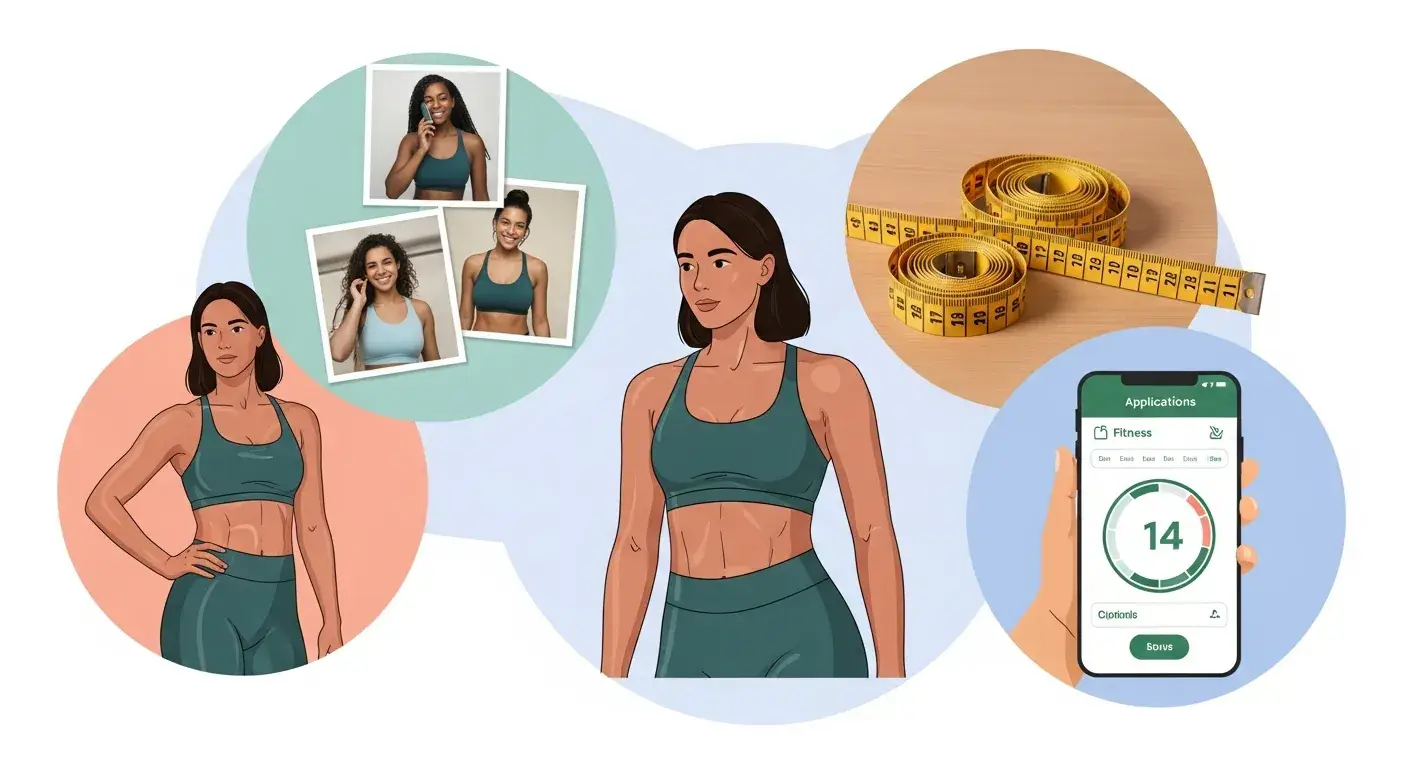
Key Points:
- A balanced exercise routine includes cardio, strength training, and flexibility
- Regular physical activity boosts metabolism and burns calories
- Strength training helps maintain muscle mass during weight loss
- Consistency is more important than intensity
- Exercise should be enjoyable and sustainable
The Role of Exercise in Weight Management
Exercise is a crucial component of successful weight management. A 2024 study from the Journal of Sports Medicine found that individuals who combine regular exercise with healthy eating lose 20% more weight than those who focus on diet alone. Physical activity not only burns calories but also improves overall health and well-being.
The American College of Sports Medicine (2025) recommends at least 150 minutes of moderate-intensity exercise per week for weight management. This can be broken down into 30-minute sessions, five days a week, making it manageable for most people's schedules.
Cardiovascular Exercises
Walking and Jogging
Walking and jogging are excellent starting points for weight management. A 2024 study in the Journal of Physical Activity and Health found that walking 10,000 steps daily can burn up to 500 calories, depending on your weight and pace.
These low-impact exercises are accessible to most people and can be done anywhere. Start with a comfortable pace and gradually increase intensity and duration. The World Health Organization (2025) recommends starting with 10-minute sessions and building up to 30 minutes or more.
Cycling and Swimming
Cycling and swimming provide excellent cardiovascular benefits while being gentle on the joints. A 2025 study from the International Journal of Obesity found that regular cycling can burn 400-600 calories per hour, depending on intensity.
These activities are particularly beneficial for individuals with joint concerns or those looking for variety in their exercise routine. The American Heart Association (2024) recommends incorporating different types of cardio to prevent boredom and maintain motivation.
Strength Training Exercises
Bodyweight Exercises
Bodyweight exercises are effective for building strength and can be done anywhere. A 2024 study in the Journal of Strength and Conditioning Research found that bodyweight training can increase muscle mass by up to 15% in three months.
Key exercises include push-ups, squats, lunges, and planks. These movements engage multiple muscle groups, making them efficient for weight management. The National Strength and Conditioning Association (2025) recommends performing these exercises 2-3 times per week.
Resistance Training
Resistance training with weights or resistance bands helps build and maintain muscle mass. A 2025 study from the Journal of Applied Physiology found that regular resistance training can increase resting metabolic rate by up to 7%.
Focus on compound exercises that work multiple muscle groups, such as deadlifts, bench presses, and rows. The American Council on Exercise (2024) recommends starting with lighter weights and proper form before increasing resistance.
Flexibility and Recovery
Stretching and Mobility
Flexibility exercises are essential for maintaining joint health and preventing injuries. A 2024 study in the Journal of Sports Rehabilitation found that regular stretching can improve exercise performance by up to 20%.
Incorporate dynamic stretching before workouts and static stretching after exercise. The American Physical Therapy Association (2025) recommends holding stretches for 30 seconds and repeating each stretch 2-3 times.
Recovery Strategies
Proper recovery is crucial for long-term exercise success. A 2025 study from the Journal of Sports Science found that adequate recovery can improve exercise performance by up to 25%.
Recovery strategies include rest days, foam rolling, and proper hydration. The National Academy of Sports Medicine (2024) recommends taking at least one rest day per week and staying hydrated throughout the day.
Frequently Asked Questions
Q: How often should I exercise for weight loss? A: Aim for at least 150 minutes of moderate-intensity exercise per week, spread across 5 days. Include both cardio and strength training for optimal results.
Q: Should I exercise on an empty stomach? A: While some people prefer fasted exercise, it's more important to find what works for you. Consider having a light snack before exercise if you feel low on energy.
Q: How long until I see results from exercise? A: Most people notice changes in energy levels and strength within 2-4 weeks. Visible changes in body composition typically take 8-12 weeks of consistent exercise.
Next Steps in Your Weight Management Journey
Regular exercise is a vital component of your weight management journey. Consider exploring our guides on balancing cardio and strength training and workout progressions to develop a comprehensive exercise plan.
Remember, the best exercise routine is one you can maintain consistently. Start with activities you enjoy and gradually increase intensity and duration as your fitness improves.
For more detailed guidance on exercise fundamentals, visit our exercise fundamentals section.