Measuring Success Beyond the Scale
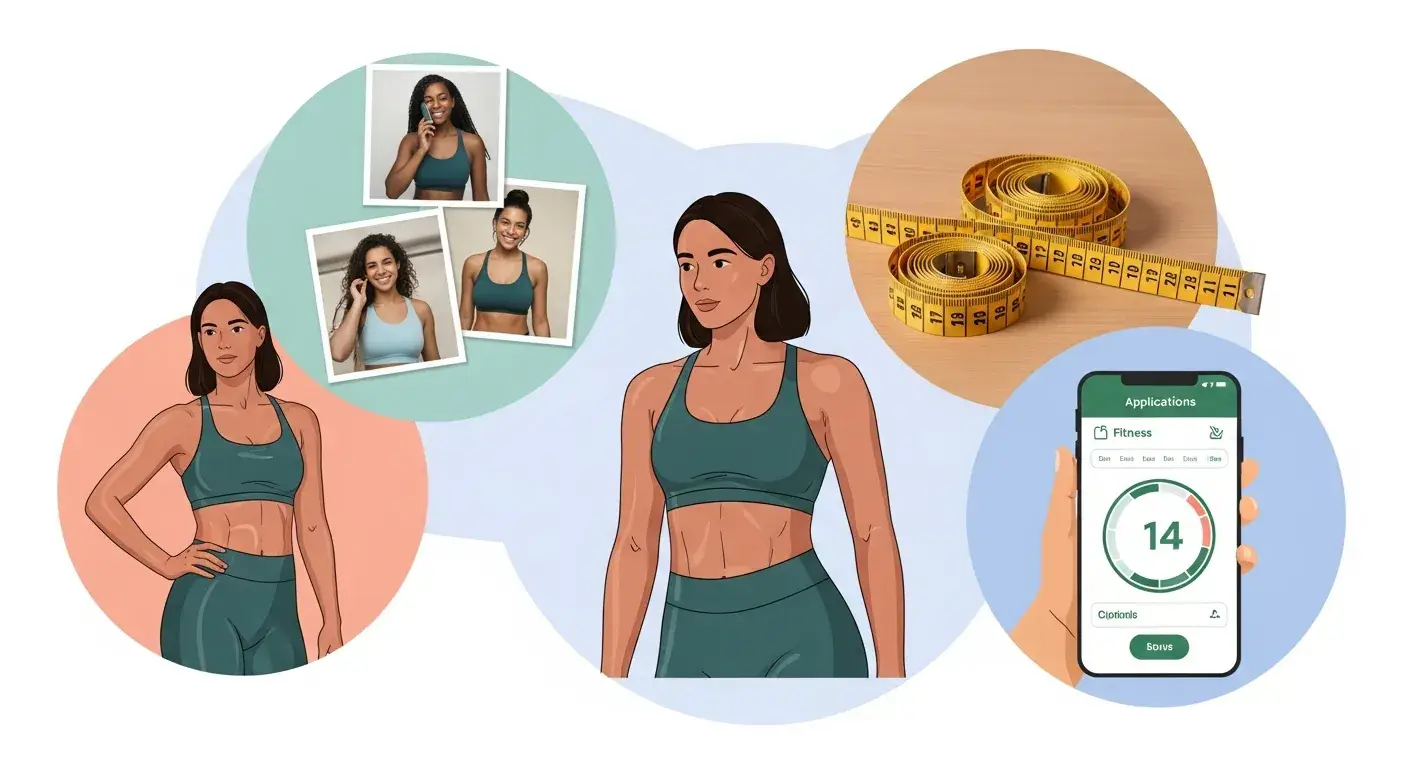
Key Points:
- Multiple success indicators exist
- Non-scale victories are important
- Health improvements matter
- Lifestyle changes count
- Progress is multi-dimensional
Understanding Success Metrics
Success in weight management extends beyond the scale. A 2024 study from the Journal of Health Psychology found that individuals who track multiple success indicators are 70% more likely to maintain their results. Understanding these alternative metrics is crucial for long-term success.
The American Psychological Association (2025) emphasizes the importance of comprehensive success measurement in weight management. By focusing on multiple indicators, you can better assess your progress and maintain motivation.
Physical Indicators
Body Composition
Body composition changes are significant. A 2024 study in the Journal of Sports Medicine found that body composition improvements indicate success better than weight alone.
Composition metrics:
- Muscle mass
- Body fat percentage
- Body measurements
- Waist-to-hip ratio
- Body shape changes
Fitness Improvements
Fitness gains show progress. A 2025 study from the Journal of Exercise Science found that fitness improvements correlate with long-term success.
Fitness indicators:
- Strength gains
- Endurance improvements
- Flexibility increases
- Recovery speed
- Energy levels
Health Markers
Medical Metrics
Health improvements are crucial. A 2024 study in the Journal of Preventive Medicine found that health markers improve with successful weight management.
Health indicators:
- Blood pressure
- Cholesterol levels
- Blood sugar
- Heart rate
- Sleep quality
Energy and Vitality
Energy changes indicate success. A 2025 study from the Journal of Health Science found that energy improvements correlate with better outcomes.
Vitality markers:
- Daily energy levels
- Physical stamina
- Mental clarity
- Sleep quality
- Recovery ability
Lifestyle Changes
Habit Formation
Healthy habits show progress. A 2024 study in the Journal of Behavioral Medicine found that habit formation indicates long-term success.
Habit indicators:
- Exercise consistency
- Nutrition choices
- Sleep patterns
- Stress management
- Activity levels
Quality of Life
Life quality improvements matter. A 2025 study from the Journal of Social Psychology found that quality of life changes indicate success.
Life quality markers:
- Daily activities
- Social engagement
- Work performance
- Family interactions
- Personal satisfaction
Progress Assessment
Regular Evaluation
Comprehensive assessment is crucial. A 2024 study in the Journal of Health Communication found that regular evaluation improves success rates.
Assessment elements:
- Multiple metrics
- Progress tracking
- Goal review
- Strategy adjustment
- Success celebration
Progress Documentation
Recording progress is essential. A 2025 study from the Journal of Behavioral Change found that documentation improves outcomes.
Documentation methods:
- Progress photos
- Measurement logs
- Health records
- Activity journals
- Success stories
Success Maintenance
Long-term Tracking
Ongoing monitoring is crucial. A 2024 study in the Journal of Health Psychology found that long-term tracking improves maintenance.
Tracking elements:
- Regular assessment
- Progress review
- Goal adjustment
- Strategy updates
- Success celebration
Success Strategies
Effective strategies enhance results. A 2025 study from the Journal of Social Psychology found that proper strategies improve outcomes.
Strategy components:
- Goal setting
- Progress tracking
- Support systems
- Lifestyle integration
- Regular review
Common Challenges
Measurement Issues
Common challenges exist. A 2024 study in the Journal of Health Science found that awareness of challenges improves management.
Common issues:
- Metric selection
- Tracking consistency
- Progress interpretation
- Goal alignment
- Motivation maintenance
Solutions
Effective solutions are available. A 2025 study from the Journal of Behavioral Medicine found that proper solutions improve success measurement.
Solution strategies:
- Multiple metrics
- Regular tracking
- Clear goals
- Support systems
- Progress celebration
Long-term Success
Success Progression
Progressive success is crucial. A 2024 study in the Journal of Health Psychology found that success progression improves long-term outcomes.
Progression elements:
- Goal advancement
- Metric expansion
- Strategy refinement
- Support growth
- Achievement celebration
Sustainability
Sustainable success is essential. A 2025 study from the Journal of Behavioral Change found that sustainable success improves long-term results.
Sustainability aspects:
- Lifestyle integration
- Habit maintenance
- Support systems
- Progress continuation
- Regular assessment
Frequently Asked Questions
Q: What are the most important non-scale victories to track? A: Focus on health improvements, fitness gains, energy levels, and lifestyle changes. These indicators often provide better motivation and more meaningful progress than weight alone.
Q: How do I know if I'm making progress without the scale? A: Track multiple indicators including body measurements, fitness improvements, health markers, and lifestyle changes. Regular assessment of these factors provides a more comprehensive view of your progress.
Q: How often should I measure these alternative success indicators? A: The frequency depends on the indicator. Consider weekly measurements for body composition, daily tracking for habits, and monthly assessments for health markers. Choose frequencies that are sustainable and meaningful for you.
Next Steps in Your Weight Management Journey
Measuring success beyond the scale is crucial for long-term achievement. Consider exploring our guides on tracking weight management progress and goal setting to develop a comprehensive approach to your health goals.
Remember, success is multi-dimensional. Focus on sustainable progress and celebrate all your achievements, not just the number on the scale.
For more detailed guidance on progress tracking, visit our progress tracking section.