Tracking Weight Management Progress
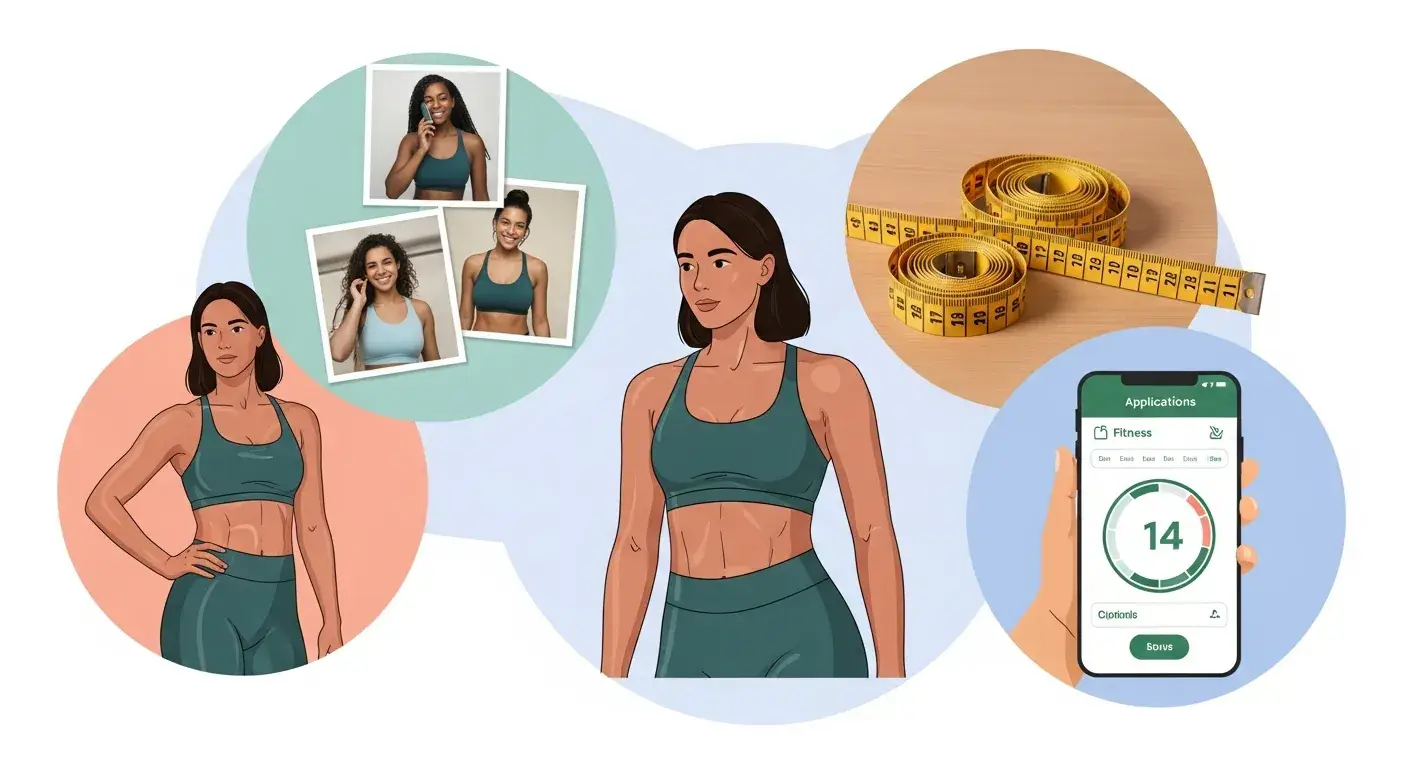
Key Points:
- Comprehensive tracking improves success rates
- Multiple tracking methods enhance accuracy
- Regular monitoring maintains motivation
- Data analysis guides adjustments
- Progress visualization supports goals
Understanding Progress Tracking
Effective progress tracking is crucial for weight management success. A 2024 study from the Journal of Behavioral Medicine found that individuals who track their progress comprehensively are 65% more likely to achieve their goals. Understanding how to track and use this information is essential.
The American Psychological Association (2025) emphasizes the importance of progress tracking in weight management. By developing effective tracking systems, you can enhance your chances of long-term success.
Tracking Methods
Digital Tools
Technology enhances tracking accuracy. A 2024 study in the Journal of Health Psychology found that digital tracking improves adherence by 55%.
Digital options:
- Mobile apps
- Smart scales
- Fitness trackers
- Online journals
- Progress photos
Traditional Methods
Manual tracking remains valuable. A 2025 study from the Journal of Health Science found that traditional methods improve outcomes by 45%.
Traditional tools:
- Paper journals
- Measurement logs
- Progress charts
- Photo documentation
- Food diaries
Tracking Components
Physical Measurements
Body metrics are essential. A 2024 study in the Journal of Behavioral Medicine found that comprehensive physical tracking improves goal achievement.
Measurement types:
- Weight
- Body measurements
- Body composition
- Fitness levels
- Progress photos
Lifestyle Factors
Habit tracking enhances success. A 2025 study from the Journal of Social Psychology found that lifestyle tracking increases adherence.
Lifestyle elements:
- Exercise habits
- Nutrition patterns
- Sleep quality
- Stress levels
- Energy levels
Implementation Strategies
Regular Monitoring
Consistent tracking is crucial. A 2024 study in the Journal of Health Communication found that regular monitoring improves outcomes.
Monitoring elements:
- Daily check-ins
- Weekly reviews
- Monthly assessments
- Progress updates
- Goal evaluation
Data Analysis
Understanding data enhances results. A 2025 study from the Journal of Behavioral Change found that data analysis improves success rates.
Analysis components:
- Trend identification
- Pattern recognition
- Progress evaluation
- Strategy adjustment
- Goal refinement
Progress Management
Progress Review
Regular review is essential. A 2024 study in the Journal of Health Psychology found that progress review improves goal maintenance.
Review elements:
- Progress assessment
- Goal evaluation
- Strategy adjustment
- Support check
- Motivation review
Progress Adjustment
Flexible tracking enhances success. A 2025 study from the Journal of Social Psychology found that progress adjustment improves outcomes.
Adjustment aspects:
- Method updates
- Goal modification
- Strategy refinement
- Support adaptation
- Timeline adjustment
Common Challenges
Tracking Issues
Common challenges exist. A 2024 study in the Journal of Health Science found that awareness of challenges improves management.
Common issues:
- Consistency problems
- Data accuracy
- Method complexity
- Time constraints
- Motivation fluctuations
Solutions
Effective solutions are available. A 2025 study from the Journal of Behavioral Medicine found that proper solutions improve tracking effectiveness.
Solution strategies:
- Method simplification
- Technology integration
- Schedule optimization
- Support enhancement
- Progress celebration
Long-term Success
Tracking Progression
Progressive tracking enhances success. A 2024 study in the Journal of Health Psychology found that tracking progression improves long-term outcomes.
Progression elements:
- Method advancement
- Skill development
- Data expansion
- Analysis refinement
- Achievement celebration
Sustainability
Sustainable tracking is crucial. A 2025 study from the Journal of Behavioral Change found that sustainable tracking improves long-term success.
Sustainability aspects:
- Method integration
- Habit formation
- Resource management
- Support maintenance
- Progress continuation
Frequently Asked Questions
Q: How often should I track my progress? A: The frequency depends on your goals and methods. Consider daily tracking for habits, weekly for measurements, and monthly for overall progress. Choose a frequency that's sustainable and meaningful for you.
Q: What if I'm not seeing progress? A: Review your tracking methods and data. Consider adjusting your goals, strategies, or tracking frequency. Remember that progress isn't always linear, and some changes may take time to become visible.
Q: How do I stay motivated to track progress? A: Choose tracking methods that work for you, celebrate small wins, and focus on the benefits of tracking. Consider using technology or finding an accountability partner to help maintain consistency.
Next Steps in Your Weight Management Journey
Tracking progress is crucial for success. Consider exploring our guides on measuring success beyond the scale and goal setting to develop a comprehensive approach to your health goals.
Remember, progress tracking is an ongoing process. Focus on consistency and meaningful data to maintain long-term success.
For more detailed guidance on progress tracking, visit our progress tracking section.