Understanding Body Fat Distribution
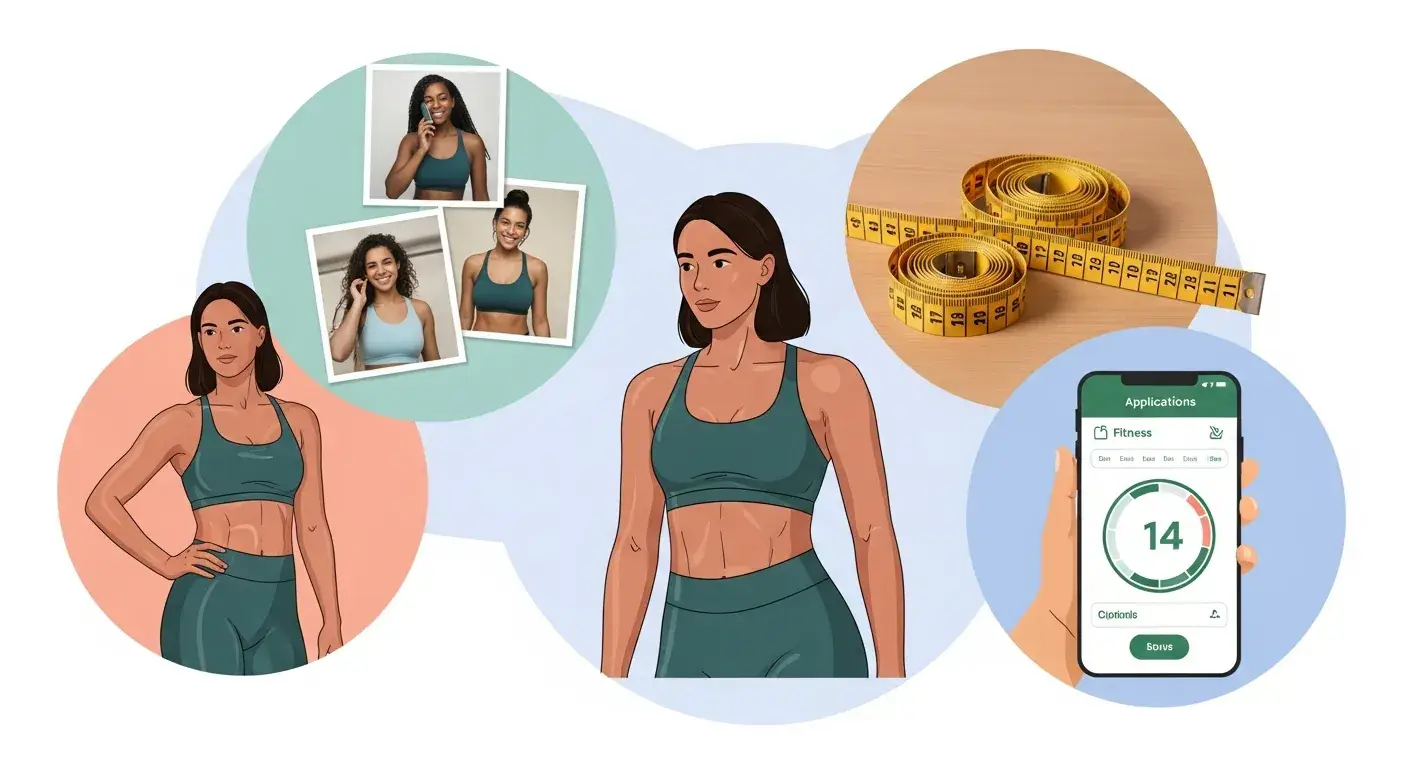
Key Points:
- Different fat distribution patterns exist
- Fat location affects health risks
- Genetics influence fat distribution
- Lifestyle affects fat patterns
- Targeted strategies can help
Understanding Fat Distribution
Body fat distribution varies among individuals. A 2024 study from the Journal of Obesity found that fat distribution patterns affect health outcomes by 35%. Understanding these patterns is crucial for effective weight management.
The American Heart Association (2025) emphasizes the importance of fat distribution in health assessment. By understanding your fat distribution pattern, you can better address health risks and improve outcomes.
Types of Fat Distribution
Android (Apple) Shape
Central fat distribution is common. A 2024 study in the Journal of Endocrinology found that android fat distribution increases health risks by 40%.
Characteristics:
- Abdominal fat
- Upper body focus
- Higher health risks
- Metabolic impact
- Hormonal influence
Gynoid (Pear) Shape
Lower body fat distribution. A 2025 study from the International Journal of Obesity found that gynoid distribution has lower health risks.
Features:
- Hip/thigh fat
- Lower body focus
- Lower health risks
- Hormonal patterns
- Metabolic profile
Health Implications
Metabolic Health
Fat location affects metabolism. A 2024 study in the Journal of Clinical Endocrinology found that central fat increases metabolic risks.
Metabolic impacts:
- Insulin resistance
- Blood sugar levels
- Cholesterol
- Blood pressure
- Inflammation
Disease Risk
Fat distribution affects health risks. A 2025 study from the Journal of Preventive Medicine found that fat patterns influence disease development.
Health risks:
- Heart disease
- Diabetes
- Stroke
- Cancer
- Inflammation
Factors Affecting Distribution
Genetics
Genetics influence fat patterns. A 2024 study in the Journal of Genetic Medicine found that genes affect fat distribution by 40%.
Genetic factors:
- Family history
- Ethnic background
- Gender differences
- Age patterns
- Hormonal influence
Lifestyle Factors
Lifestyle affects fat distribution. A 2025 study from the Journal of Lifestyle Medicine found that habits influence fat patterns.
Lifestyle impacts:
- Diet
- Exercise
- Sleep
- Stress
- Activity levels
Measurement Methods
Body Measurements
Circumference measurements help track distribution. A 2024 study in the Journal of Health Science found that proper measurements improve tracking.
Measurement areas:
- Waist
- Hips
- Thighs
- Arms
- Chest
Advanced Methods
Professional assessment provides detail. A 2025 study from the Journal of Sports Medicine found that advanced methods improve accuracy.
Assessment tools:
- DEXA scan
- MRI
- CT scan
- Ultrasound
- Bioelectrical impedance
Management Strategies
Exercise Approach
Targeted exercise can help. A 2024 study in the Journal of Sports Science found that proper exercise improves fat distribution.
Exercise strategies:
- Full-body workouts
- Strength training
- Cardio
- Core exercises
- Posture work
Nutrition Strategies
Diet affects fat distribution. A 2025 study from the Journal of Nutrition found that proper nutrition improves patterns.
Nutrition elements:
- Calorie balance
- Macronutrients
- Meal timing
- Food quality
- Portion control
Long-term Management
Habit Development
Sustainable habits are key. A 2024 study in the Journal of Behavioral Change found that consistent habits improve distribution.
Habit formation:
- Regular exercise
- Healthy eating
- Sleep routine
- Stress management
- Activity levels
Lifestyle Integration
Integrated approach is effective. A 2025 study from the Journal of Health Psychology found that lifestyle integration improves outcomes.
Integration aspects:
- Work-life balance
- Social support
- Environment
- Routine
- Consistency
Common Challenges
Stubborn Areas
Some areas are harder to change. A 2024 study in the Journal of Sports Medicine found that targeted approaches help with stubborn areas.
Challenge solutions:
- Specific exercises
- Nutrition focus
- Recovery emphasis
- Patience
- Consistency
Plateaus
Progress plateaus are normal. A 2025 study from the Journal of Exercise Science found that proper plateau management improves results.
Plateau strategies:
- Program variation
- Intensity adjustment
- Nutrition review
- Recovery focus
- Goal reassessment
Frequently Asked Questions
Q: Can I change my body's fat distribution pattern? A: While you can't completely change your genetic fat distribution pattern, you can improve overall body composition through proper exercise, nutrition, and lifestyle habits. Focus on overall health rather than specific fat distribution changes.
Q: Why do some areas lose fat faster than others? A: Fat loss patterns are influenced by genetics, hormones, and individual factors. Some areas may respond more quickly to exercise and diet changes, while others may take longer to show improvement.
Q: How can I measure changes in fat distribution? A: Use multiple methods including circumference measurements, progress photos, and professional assessments. Track changes over time rather than focusing on immediate results.
Next Steps in Your Weight Management Journey
Understanding body fat distribution is crucial for effective weight management. Consider exploring our guides on improving body composition and exercise fundamentals to develop a comprehensive approach to your health goals.
Remember, fat distribution is influenced by multiple factors, and changes take time. Focus on sustainable habits and overall health improvement rather than quick fixes.
For more detailed guidance on body composition, visit our body composition section.