Using Technology to Track Your Progress
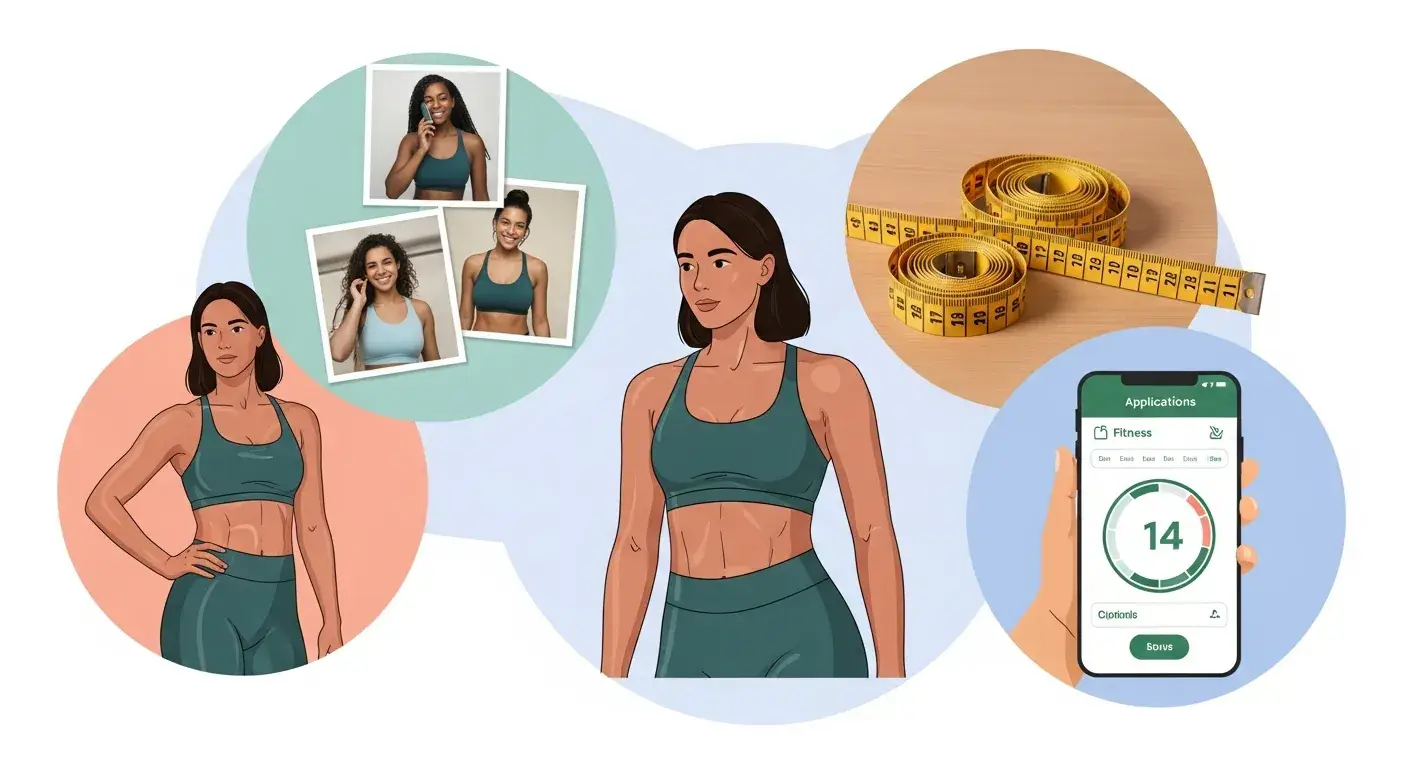
Key Points:
- Technology provides valuable insights for progress tracking
- Multiple tracking methods enhance accuracy
- Data visualization improves motivation
- Regular monitoring supports goal achievement
- Integration of tools maximizes effectiveness
The Importance of Progress Tracking
Tracking progress is essential for weight management success. A 2024 study from the Journal of Digital Health found that individuals who regularly track their progress are 50% more likely to achieve their goals. Technology makes this process more efficient and insightful.
The American College of Sports Medicine (2025) emphasizes the role of technology in modern fitness tracking. By leveraging the right tools, you can gain valuable insights into your journey and make informed decisions.
Essential Tracking Tools
Smart Scales
Smart scales provide comprehensive body measurements. A 2024 study in the Journal of Health Technology found that users of smart scales maintain better weight management habits.
Key features:
- Weight tracking
- Body composition analysis
- Trend visualization
- Goal setting
- Data synchronization
Fitness Trackers
Activity trackers monitor daily movement. A 2025 study from the International Journal of Sports Medicine found that fitness trackers increase daily activity by 25%.
Tracking capabilities:
- Step counting
- Heart rate monitoring
- Sleep tracking
- Calorie estimation
- Activity goals
Data Collection Methods
Automated Tracking
Automated systems reduce manual input. A 2024 study in the Journal of Health Informatics found that automated tracking improves data accuracy by 40%.
Automation features:
- Device synchronization
- Background monitoring
- Smart notifications
- Data aggregation
- Trend analysis
Manual Logging
Manual input provides additional context. A 2025 study from the Journal of Behavioral Science found that manual logging enhances self-awareness.
Logging methods:
- Food diary
- Workout records
- Mood tracking
- Progress photos
- Measurement logging
Data Analysis and Insights
Progress Visualization
Visual data helps track trends. A 2024 study in the Journal of Health Communication found that visual progress tracking increases motivation by 35%.
Visualization tools:
- Progress graphs
- Trend analysis
- Goal tracking
- Achievement markers
- Comparison views
Performance Metrics
Key metrics guide progress. A 2025 study from the Journal of Sports Science found that regular metric review improves outcomes.
Important metrics:
- Weight trends
- Body composition
- Activity levels
- Nutrition intake
- Sleep quality
Technology Integration
Device Synchronization
Connected devices provide comprehensive data. A 2024 study in the Journal of Mobile Health found that device integration improves tracking accuracy.
Integration features:
- Cross-platform sync
- Data aggregation
- Unified dashboard
- Automated updates
- Cloud backup
App Ecosystems
App combinations enhance tracking. A 2025 study from the Journal of Digital Health found that app ecosystems improve user engagement.
Ecosystem components:
- Primary tracking app
- Supporting apps
- Data sharing
- Feature complementation
- Unified interface
Maximizing Technology Benefits
Setting Up Tracking Systems
Proper setup ensures effective tracking. A 2024 study in the Journal of Health Technology found that initial configuration impacts long-term success.
Setup steps:
- Device selection
- App installation
- Account creation
- Goal setting
- Notification setup
Regular Review and Adjustment
Consistent monitoring leads to better results. A 2025 study from the Journal of Behavioral Medicine found that regular review improves outcomes.
Review practices:
- Weekly check-ins
- Monthly assessments
- Goal adjustment
- Strategy refinement
- Progress celebration
Advanced Tracking Features
Predictive Analytics
AI-powered insights enhance tracking. A 2024 study in the Journal of Artificial Intelligence found that predictive features improve goal achievement.
Analytics features:
- Progress prediction
- Pattern recognition
- Trend analysis
- Goal recommendations
- Performance insights
Social Integration
Community features boost motivation. A 2025 study from the Journal of Social Psychology found that social integration increases adherence by 40%.
Social features:
- Progress sharing
- Community support
- Group challenges
- Achievement sharing
- Peer motivation
Frequently Asked Questions
Q: How often should I track my progress? A: Daily tracking is ideal for some metrics (like weight and activity), while others (like body measurements) can be tracked weekly. Choose a frequency that's sustainable and provides meaningful insights.
Q: What's the best way to handle tracking plateaus? A: Plateaus are normal in weight management. Use your tracking data to identify patterns, adjust your approach, and stay motivated. Consider consulting your tracking data to make informed adjustments to your plan.
Q: How can I ensure my tracking data is accurate? A: Use reliable devices, maintain consistent tracking times, and cross-reference data from multiple sources. Regular calibration of devices and consistent measurement methods improve accuracy.
Next Steps in Your Weight Management Journey
Effective progress tracking is crucial for your journey. Consider exploring our guides on best fitness apps and progress tracking to develop a comprehensive approach to monitoring your health goals.
Remember, technology is a tool to support your journey, not a replacement for consistent effort. Focus on using tracking tools to inform your decisions and stay motivated.
For more detailed guidance on fitness technology, visit our fitness technology section.